
The citation sections in this page are automatically generated by Smart Embed Code


Learn More
Image

xjView™ Imaging Visualization Tool

Our xjView tool makes it very efficient to visualize imaging results.

Highlights

Efficient

Cheap

Popular

Technical Details

Input your text here! The text element is intended for longform copy that could potentially include multiple paragraphs.

Highlights

Feature one

Feature two

Feature three

Image

Ask our AI About this product

Product Citation AI Summary

Researchers have cited our products in 2,667 peer-reviewed publications, 89 of them from 2026. The citing research comes from at least 61 countries and regions, including work at Peking University, Fudan University, and Yale University, and at companies such as Grifols. These papers appear in journals such as Nature Human Behaviour, Nature Neuroscience, and Science Bulletin.

Product Citation in Figures

Fig. 2. Source reconstruction methods, results and ventral model specification.a, The main steps of source reconstruction: cortical mesh creation, projection on structural template, co-registration of EEG signal to the template and maximum intensity projection (MIP) for each participant, allowing us to…
From Miriam Vignando et al. (2026), Nature. Mental health: Deviations in effective connectivity explain different hallucination subtypes in Parkinson's disease psychosis · view figure

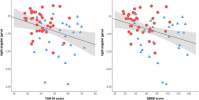
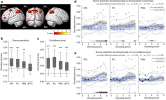
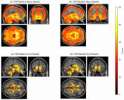
Figure 1. Gray matter associations with TMT-B&W-A and TMT-B&W-B performance across the base and fully adjusted models. Abbreviations: TMT-B&W-A = Trail-Making Test-Black And White Part A; TMT-B&W-B = Trail-Making Test-Black And White Part B; Base model = unadjusted; Full model = adjusted education, gender,…
From Chanda Simfukwe et al. (2025), Journal of clinical medicine: Associations Between Trail-Making Test Black and White Performance and Gray Matter Volume in Community-Dwelling Cognitively Healthy Adults Aged 40 to 80 Years · view figure

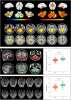
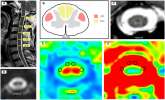
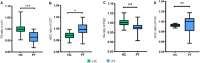
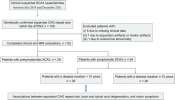
Fig. 2. Brain volume(s) and spinal cord area in patients with spinocerebellar ataxia type 3 (SCA3). a Voxel-based morphometry analysis showed brain volume differences in grey matter (GM, upper left), white matter (WM, upper right) and GM and WM overlaps (bottom) between SCA3 patients and healthy controls…
From Zhi-Xian Ye et al. (2025), Orphanet journal of rare diseases: Associations between CAG repeat size, brain and spinal cord volume loss, and motor symptoms in spinocerebellar ataxia type 3: a cohort study · view figure

Fig. 3. Brain volume(s) and spinal cord area(s) in patients with different stages of spinocerebellar ataxias type 3 (SCA3). a Voxel-based morphometry analysis showed grey matter (red) and white matter (yellow) volume differences in patients with presymptomatic SCA3, disease duration < 10 years, and disease…
From Zhi-Xian Ye et al. (2025), Orphanet journal of rare diseases: Associations between CAG repeat size, brain and spinal cord volume loss, and motor symptoms in spinocerebellar ataxia type 3: a cohort study · view figure

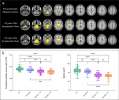
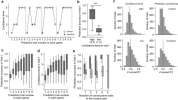
Figure 3. β maps and LI values in the planning block. (a–c) β maps of participants with LI values close to the median in younger, expert older, and non-expert older groups are shown, respectively. (d) Distribution of LI values for the three participant groups. * p < 0.016. β maps were visualized using the…
From Koki Toyofuku et al. (2024), Healthcare (Basel, Switzerland): Hemispheric Lateralization in Older Adults Who Habitually Play Darts: A Cross-Sectional Study Using Functional Near-Infrared Spectroscopy · view figure

Figure 4. β maps and LI values in the calculation block. (a–c) β maps of participants with LI values close to the median in the younger, expert older, and non-expert older groups are shown, respectively. (d) Distribution of LI values for the three participant groups. β maps were visualized using the xjView…
From Koki Toyofuku et al. (2024), Healthcare (Basel, Switzerland): Hemispheric Lateralization in Older Adults Who Habitually Play Darts: A Cross-Sectional Study Using Functional Near-Infrared Spectroscopy · view figure

Figure 2. . Region of interest analyses. (A) ROI mask for right dorsolateral prefrontal cortex (R-DLPFC) [58 26 38]. A 10 mm sphere was created using the MarsBar toolbox (Brett et al., 2002) and the xjView toolbox (https://www.alivelearn.net/xjview). The image was then projected onto the template using…
From Eric S. Jackson et al. (2022), Neurobiology of language (Cambridge, Mass.): Activation in Right Dorsolateral Prefrontal Cortex Underlies Stuttering Anticipation · view figure

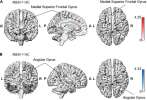
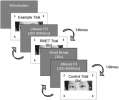
FIGURE 2. Increased neural response to RMET minus control condition contrasting NSSI and control groups. The whole-brain analysis indicated increased activation during RMET in (A) the left medial superior frontal gyrus in the NSSI group (−10, 32, 36; Z = 3.98) and (B) the right angular gyrus in the control…
From Hyeri Moon et al. (2022), Frontiers in psychiatry: Neural correlates of affective theory of mind in medication-free nonsuicidal self-injury: An fMRI study · view figure

Figure 4. Source map of N1 (time window: 70~200 ms) to the target stimuli under Erotica in healthy volunteers (A), bipolar I disorder patients with (B) and without (C) hypersexuality (generated by xjView 10.0 (http://www.alivelearn.net/xjview (accessed on 18 February 2022)). Left panels show sources overlaid…
From Chu Wang et al. (2022), Brain sciences: Visual Event-Related Potentials under External Emotional Stimuli in Bipolar I Disorder with and without Hypersexuality · view figure

Figure 7. Whole-brain analysis results of regional differences between HS patients and HC. (A) Horizontal images made by xjView based on the result of VBM. (B) Three-dimensional images made by BrainNet Viewer based on the result of VBM.
From Senlin Chen et al. (2022), Frontiers in aging neuroscience: Degeneration of the Sensorimotor Tract in Degenerative Cervical Myelopathy and Compensatory Structural Changes in the Brain · view figure

Product Citations (45)

Associations Between Trail-Making Test Black and White Performance and Gray Matter Volume in Community-Dwelling Cognitively Healthy Adults Aged 40 to 80 Years
Simfukwe, An, Youn
J Clin Med (2025) 14 (12) DOI: 10.3390/jcm14124041
Cited by 1
AI Summary: The xjview graphical user interface (GUI) software was used in this study to visualize and display brain imaging results on the MNI avg152T1 template, enabling clear presentation of the associations between Trail-Making Test Black and White performance and gray matter volume.
Snippet: on the MNI avg152T1 template using xjview software. The colorbar ranges from 0 to on the MNI avg152T1 template using xjview software. … To visualize the results, the xjview (www.alivelearn.net/xjview/, accessed on 8 March 2025) graphical user interface (GUI) was used on the MNI avg152T1 template. 3. Results A total of 87 cognitively healthy participants were inclu;- on the MNI avg152T1 template using xjview software. The colorbar ranges from 0 to on the MNI avg152T1 template using xjview software. …
Figure
sMRI VBM Healthy
Associations between CAG repeat size, brain and spinal cord volume loss, and motor symptoms in spinocerebellar ataxia type 3: a cohort study
Ye, Chen, Li et al
Orphanet J Rare Dis (2025) 20 (1), 35 DOI: 10.1186/s13023-025-03531-8
Cited by 5
AI Summary: The xjView toolbox was used to visually display brain volume differences between SCA3 patients and healthy controls, aiding in the interpretation of voxel-based morphometry results in this study.
Snippet: olume differences in grey matter (GM, upper left), white matter (WM, upper right) and GM and WM overlaps (bottom) between SCA3 patients and healthy controls (HC). The results were displayed using the xjView toolbox. Color bar represents t-values. Statistical tests were evaluated at a significance level of P 
FigureFigureFigure
sMRI VBM SCA3
Neural correlates of affective theory of mind in medication-free nonsuicidal self-injury: An fMRI study
Moon, Nam, Hur
Front Psychiatry (2022) 13, 850794 DOI: 10.3389/fpsyt.2022.850794
Cited by 8
AI Summary: The xjView toolbox was used to visualize significant brain activation clusters in fMRI data, aiding interpretation of neural differences between groups in the study.
Snippet: edial superior frontal gyrus in the NSSI group (−10, 32, 36;Z = 3.98) and (B) the right angular gyrus in the control group (32, −54, 40;Z = 4.04). Significant clusters were visualized using the xjView toolbox (https://www.alivelearn.net/xjview) with MATLAB. Relationship between fMRI activation and clinical symptom severity There was no correlation between the BOLD data during RMET performan
FigureFigureFigure
fMRI Nonsuicidal self-injury
Activation in Right Dorsolateral Prefrontal Cortex Underlies Stuttering Anticipation
Jackson, Dravida, Zhang et al
Neurobiol Lang (Camb) (2022) 3 (3), 469-494 DOI: 10.1162/nol_a_00073
Cited by 16
AI Summary: In this paper, the authors used the xjView toolbox to visualize and interpret brain activation maps, facilitating the identification and presentation of significant activation in the right dorsolateral prefrontal cortex associated with stuttering anticipation.
Snippet: People who stutter learn to anticipate many of their overt stuttering events. Despite the critical role of anticipation, particularly how responses to anticipation shape
Confidence modulates the decodability of scene prediction during partially-observable maze exploration in humans
Katayama, Yoshida, Ishii
Commun Biol (2022) 5 (1), 367 DOI: 10.1038/s42003-022-03314-y
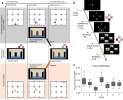
Cited by 2
AI Summary: The xjView toolbox was used in this study to visualize brain regions where scene prediction and confidence were decoded, helping to illustrate the neural substrates involved in prediction and confidence during maze navigation.
Snippet: (aPFC). The voxel activity patterns in these four areas were used to construct decoders for each region of interest (ROI) for scene prediction and confidence level. Visualization was performed using xjView toolbox (https://www.alivelearn.net/xjview). b, c Decoding accuracies for scene prediction (b, six types of scenes) and its confidence level (c, high or low) within each ROI evaluated using lea
FigureFigureFigure
fMRI Healthy
Degeneration of the Sensorimotor Tract in Degenerative Cervical Myelopathy and Compensatory Structural Changes in the Brain
Chen, Wang, Wu et al
Front Aging Neurosci (2022) 14, 784263 DOI: 10.3389/fnagi.2022.784263
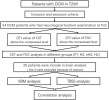
Cited by 12
AI Summary: In this study, xjView4 from xjview was used to display the results of brain structure analyses, contributing to the visualization and interpretation of neuroimaging data.
Snippet: e volume used for correlation analysis was abstracted from all participants using the “Extract ROI Signals” in REST 1.8 (Resting State fMRI Data Analysis Toolkit3) with the masks described above. XjView4 and Brainnet Viewer5 (Xia et al., 2013) were used for displaying results. Brain DTI Image Acquisition and Processing Brain DTI data were acquired using a single-shot EPI sequence with b = (0
FigureFigureFigure
VBM DTI DCM
Showing 1-6 of 45 papers.
Powered by BizGenius

Latest Research on CRISPR

Efficient Generation of Single- and Multigene CRISPR-Cas9 Knockout in Human Cells
Manzoor, Bejaoui, Ramotar et al
DNA Cell Biol (2026)
Abstract: The CRISPR-Cas9 system has revolutionized genome editing, but generating multiple gene knockouts (multi-KOs) remains challenging. This study presents an improved method for efficient generation of multi-KOs using sgRNA DNA strands and the CRISPR/Cas9 system. The method was tested on genes involved in the apoptosis pathway of HEK293T cells. The crRNA for each target gene was designed from Exon 1, near the starting codon ATG, such that a small deletion or insertion in this region would lead to a premature STOP codon and functional knockout. The T7 endonuclease I assay confirmed the high editing efficiency of sgRNAs in both single- and multiple-gene knockouts. Deep sequencing analysis revealed frameshift mutations and premature stop codons, indicating successful loss-of-function mutations. Using the sgRNA DNA strands provided a more uniform and efficient editing profile compared to other methods. This improved protocol offers a simpler, faster, and cost-effective approach for generating multigene knockout clones, with implications for functional genomics, therapeutic development, and synthetic biology.
Development and optimization of a cell cycle molecular clock based on the ABE-CRISPR system
Dai, Jin, Wang et al
J Genet Genomics (2026)
Abstract: Clustered regularly interspaced short palindromic repeats (CRISPR)-guided multiplex mutagenesis has emerged as a tool for lineage tracing; however, existing systems often exhibit disordered mutation patterns and cannot reliably record cell division history. To overcome these limitations, we develop the adenine base editor template number (ATN) system, which implements ordered, stepwise editing of double-stranded DNA through a programmable cascade of modifications. The ATN system incrementally marks each cell cycle, providing a quantitative representation of proliferation events. Once a predetermined number of divisions is reached, the system triggers activation of a downstream gene through frame restoration, effectively serving as a cellular "molecular clock" that links cell age to inducible genetic control. This approach therefore offers a systematic framework for studying cell proliferation dynamics and enables temporally regulated manipulation of cell fate.Copyright © 2026 The Author(s). Published by Elsevier Ltd.. All rights reserved.
CRISPR-enhanced microalgae for carbon sequestration and carotenoid production: opportunities and fundamental constraints
Shruthy, Dong, Chen et al
Bioresour Bioprocess (2026) 13 (1)
Abstract: Microalgae represent a promising biological platform for CO2 sequestration and the sustainable production of high-value metabolites, particularly carotenoids such as lutein and astaxanthin. However, industrial performance remains constrained by low carbon conversion efficiency, reduced photosynthetic performance, and competing metabolic fluxes that limit product yield. The emergence of CRISPR/Cas-based genome engineering has enabled precise and multiplexed modulation of microalgal metabolic networks, offering new opportunities to overcome these limitations. This review critically evaluates CRISPR-enabled engineering strategies for improving carbon assimilation, photosynthetic efficiency, and carotenoid biosynthesis in microalgae. We discuss advances in transformation and delivery systems across diverse species, CRISPR interference, CRISPR activation, and multiplexed pathway rewiring. Targeted modifications of light-harvesting complexes, carbon concentrating mechanisms, and key carotenoid biosynthetic enzymes are discussed with their reported impacts on biomass accumulation, CO2 fixation, and pigment productivity. Emerging evidence indicates that while pathway-specific genetic interventions can significantly enhance metabolic accumulation, these improvements are often not proportionally reflected in whole-cell carbon fixation, revealing underlying constraints imposed by energy allocation, redox balance, and regulatory network coupling. Finally, we highlight the potential of synthetic regulatory circuits and programmable transcriptional control as next-generation tools for dynamic regulation of metabolic fluxes rather than static gene-level modifications. By integrating molecular engineering strategies with physiological and system-level constraints, this review provides a critical framework for developing robust microalgal cell factories for sustainable bioproduction and climate mitigation.© 2026. The Author(s).
CRISPR editing of TERMINAL FLOWER 1 recapitulates perpetual flowering in strawberry, mimicking repression by the PERPETUAL FLOWERING locus
Bjornson, Hardigan, Debernardi et al
Plant Physiol (2026) 202 (2)
Abstract: The development of perpetual flowering (PF) cultivars revolutionized octoploid strawberry (Fragaria  ×  ananassa) cultivation by enabling nearly year-round fruit production and doubling fruit yields compared to historic seasonal flowering (SF) cultivars, which flower in spring. Most commercial PF cultivars result from the introgression of a dominant PERPETUAL FLOWERING (PF) allele at the PERPETUAL FLOWERING RUNNERING (PFRU) locus. PFRU has been genetically and physically mapped to chromosome 4B, but the causal gene(s) remain unknown. Here we used the haplotype-phased "UCD Royal Royce" (PFpf) genome, next-generation sequencing-based k-mer genome-wide association study (k-mer GWAS), and RNAseq to investigate PFRU. We narrowed the locus down to a precise physical address and revealed abundant genetic and transcriptomic differences in the locus and associated with flowering. Outside the PFRU locus, flowering regulation diverges at expression of TERMINAL FLOWER 1 (TFL1) in all 4 subgenomes, analogous to diploid Fragaria vesca. This critical step of the flowering pathway is altered by PF in diverse cultivars, and gene editing knockout of TFL1 is sufficient to induce flowering under long days in a seasonal flowering cultivar. Together, these results shed light on the mechanism of flowering regulation by the PF locus and expand biotechnological approaches to achieve extended flowering in any strawberry cultivar.© The Author(s) 2026. Published by Oxford University Press on behalf of American Society of Plant Biologists.
Chromatin Modifications Orchestrate DNA Repair Pathway Choice: Epigenetics Strategies for Enhancing CRISPR-Cas9-Mediated Knock-In Efficiency
Chen, Qin, Yang et al
Cell Prolif (2026)
Abstract: CRISPR-Cas9-mediated precise gene knock-in relies on homology-directed repair (HDR) at low frequencies in most mammalian cells, limiting precise gene editing in both research and therapeutic applications. Although multiple strategies have been developed to increase knock-in efficiency, their application can be restricted by technical complexity, limited applicability, or potential safety concerns. In this review, we propose a shift in focus from conventional strategies toward epigenetic methods to increase knock-in efficiency. It has been proved that histone modifications such as H3K36me3, H3K9me3, H4K20me2, and H2AK15ub are involved in DNA damage signallings and the recruitment of key HDR and non-homologous end joining (NHEJ) factors. We further discuss conceptual strategies for transient chromatin modulation to bias repair pathway choice and highlight associated technical challenges and safety considerations. Together, these findings and insights highlight the essential role of histone modification in shaping chromatin states and orchestrating DNA repair dynamics. Accordingly, epigenetic regulation emerges as a compelling strategy to facilitate high-fidelity gene knock-in, offering valuable mechanistic clues and actionable epigenetic targets to gene editing for basic research and therapeutic translation.© 2026 The Author(s). Cell Proliferation published by Beijing Institute for Stem Cell and Regenerative Medicine and John Wiley & Sons Ltd.
Showing 1-6 of 23517 papers.
Powered by BizGenius